01

Near Banff Lake Louise

Banff Gondola Ride Admission

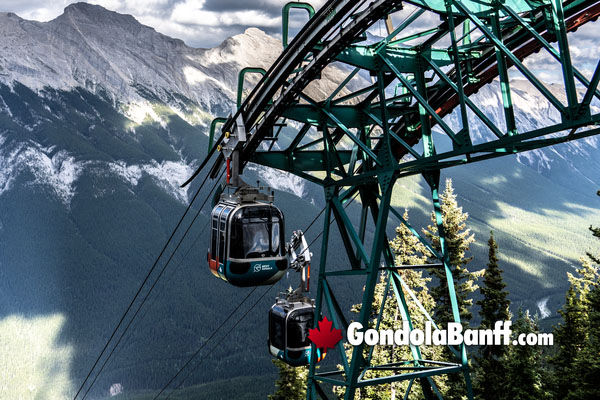
The Popular Banff Gondola provides visitors with an amazing scenic ride to the summit of Sulphur Mountain, offering panoramic views of the Canadian Rockies and the Bow Valley.

Banff Gondola at Sulphur Mountain
*Purchasing Gondola Tickets in Advance is Recommended. Book the Banff Gondola Banff Gondola Home
Banff National Park Wildlife

02

Book Banff

Book Banff National Park Adventures and Attractions. Originally set aside to preserve sulphur hot springs for public use, Banff National Park's towering peaks and beautiful meadows make it among Canada's most incredible holiday areas. Plan your Canadian Rockies vacation and Book Banff's most popular attractions.

Book Banff National Park Book Banff
Banff National Park Wildlife

03

Close to Lake Louise

Columbia Icefield Tour & Glacier Skywalk

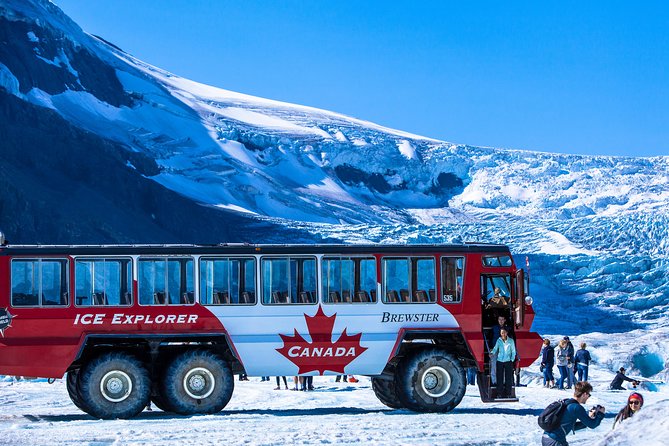
Walk on the Glass-Bottom Glacier Skywalk and tour the Athabasca Glacier in the Rugged Ice Explorer Vehicle from the Icefield Glacier Discovery Centre.

Columbia Icefield Tour & Glacier Skywalk
*Purchasing Icefield & Skywalk Tickets in Advance is Recommended. Book the Columbia Icefield & Glacier Skywalk Tour Columbia Icefields Home
Banff National Park Wildlife

Banff Lake Louise

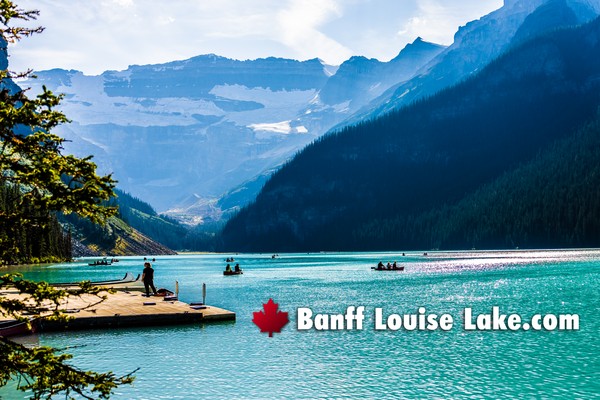
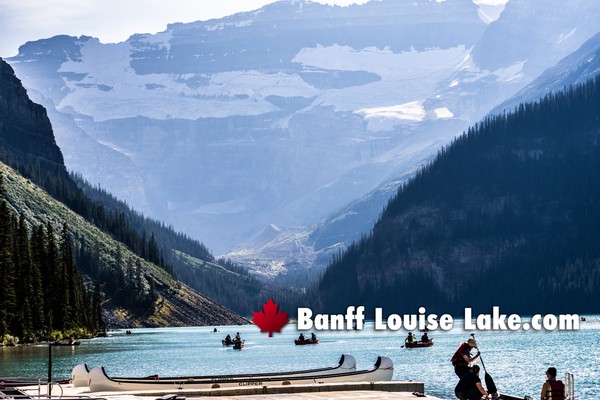
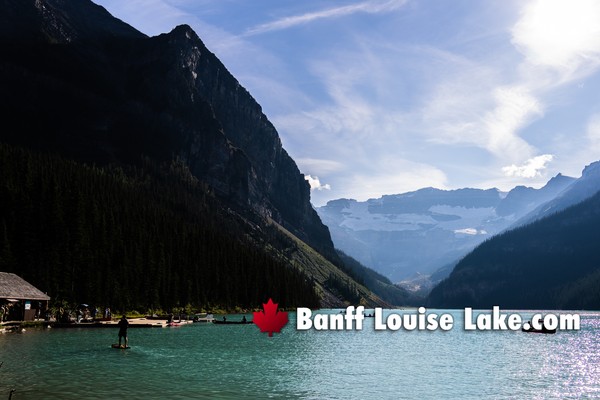
Lake Louise is located in western Alberta, Canada, within the heart of Banff National Park in the Canadian Rockies.

Banff Lake Louise
Banff Lake Louise

Banff Lake Louise

Where is Lake Louise located?

Lake Louise is located in western Alberta, Canada, within the heart of Banff National Park in the Canadian Rockies. The lake sits at the eastern edge of the village of Lake Louise, surrounded by dramatic mountain peaks, hanging glaciers, and alpine forests. Its setting at the base of Victoria Glacier gives the area its iconic high-alpine character.

Geographically, Lake Louise is about 5 kilometres west of the Trans-Canada Highway (Highway 1), roughly 60 kilometres northwest of the town of Banff and about 180 kilometres west of Calgary. The lakeshore is easily accessed by a short access road from the village, making it one of the most reachable yet visually striking alpine lakes in the Rockies.

At an elevation of approximately 1,750 metres (5,740 feet), Lake Louise lies in a subalpine environment with cool summers and long, snowy winters. This high-elevation location is a major reason for its vivid turquoise water in warmer months and its frozen, snow-covered landscape in winter.

Is Lake Louise in Banff National Park?

Lake Louise is located within Banff National Park in Alberta, Canada. It is one of Banff park's most famous and frequently visited destinations, protected as part of Canada's oldest national park.

The lake and its surrounding mountains, forests, and hiking trails are fully managed under Banff National Park regulations. This means visitors must have a valid Parks Canada entry pass, follow wildlife and conservation rules, and respect seasonal access guidelines while visiting the Lake Louise area. Book Banff Lake Louise
Booking the Canadian Rockies includes All taxes, fees and handling charges.


Lake Louise from Banff and Calgary

From the town of Banff, Lake Louise is approximately 57-60 kilometres (35-37 miles) west along the Trans-Canada Highway (Highway 1).

Lake Louise from Banff and Calgary

Lake Louise from Banff and Calgary

Lake Louise is located within Banff National Park in the Canadian Rockies.
From the town of Banff, Lake Louise is approximately 57-60 kilometres (35-37 miles) west along the Trans-Canada Highway (Highway 1). The drive typically takes about 40-45 minutes, depending on traffic and weather conditions.

From Calgary, Lake Louise is roughly 180-185 kilometres (112-115 miles) west. Driving time is generally about 2 to 2.5 hours under normal conditions. Travel times can increase during peak summer tourism season or winter snow events.

The route from both locations is direct and scenic, following Highway 1 through the Bow Valley and into the heart of the Rocky Mountains.

Do you need a Parks Canada pass to visit Lake Louise?

You need a Parks Canada pass to visit Lake Louise. Because Lake Louise is located inside Banff National Park, a valid park entry pass is required for all visitors, whether you arrive by personal vehicle, shuttle, tour bus, bicycle, or on foot.

The pass helps support park conservation, maintenance, visitor services, and wildlife protection. You can use either a daily pass or a Discovery Pass (annual), and it must be valid for the date of your visit. If you are driving, the pass must be displayed on your dashboard; if you are arriving by shuttle or tour, you are still required to hold a valid pass during your time in the park.

Failing to have a valid Parks Canada pass can result in fines, as enforcement is common in the Lake Louise area due to its popularity.

Is Lake Louise worth visiting if you only have one day?

Lake Louise is absolutely worth visiting even if you only have one day. It offers one of the most iconic and immediately rewarding mountain landscapes in the Canadian Rockies, with dramatic peaks, a glacier-fed turquoise lake, and easy access right from the parking or shuttle drop-off. You can experience the core beauty of the area within a short visit, without committing to long hikes or complex logistics.

In a single day, visitors can walk the lakeshore path, enjoy views of the surrounding mountains and Victoria Glacier, take photographs, and relax at the lakeside. If time allows, you can also fit in one classic hike such as Lake Agnes or simply explore the area around the historic lakeside hotel. The concentration of scenery makes it feel like a "highlight reel" of Banff National Park.

That said, Lake Louise is extremely popular, so planning is key. Arriving early, using the Parks Canada shuttle, or visiting later in the day helps maximize your time and reduce stress. Even with crowds, the setting is so striking that most travelers consider it a must-see, especially when time in the region is limited.

Getting to Lake Louise & Transportation

Can you drive to Lake Louise?

You can drive to Lake Louise. The lake is accessed by Lake Louise Drive, a short road that branches off the Trans-Canada Highway (Highway 1) near the village of Lake Louise. The drive itself is straightforward and well signed, and in good conditions it takes only a few minutes from the highway to reach the lakeshore area.

However, while driving is allowed, parking is the main challenge. The main lakeshore parking lot is very limited and often fills early in the morning, especially from late spring through early fall. Once the lot is full, access is restricted and vehicles are turned away until spaces reopen, which can be unpredictable.

Because of this, many visitors choose to drive only part of the way and use the Parks Canada shuttle system or other approved transportation options. Driving works best if you arrive very early in the morning or visit during quieter periods such as late evening or the winter season. Book Banff Lake Louise

Booking the Canadian Rockies includes All taxes, fees and handling charges.


Parking at Lake Louise

Parking is available at Lake Louise, but it's limited and highly competitive during peak seasons.

Parking at Lake Louise
Lake Louise Shuttle services

Parking at Lake Louise

Parking is available at Lake Louise, but it's limited and highly competitive during peak seasons.

There is a main parking lot at the Lake Louise lakeshore that provides direct access to the lake, trails, and views. There are also additional lots near the village of Lake Louise and along Lake Louise Drive that serve as overflow or shuttle pick-up points.

Because Lake Louise is one of Banff National Park's most popular destinations, the main lakeshore lot often fills very early in the day - routinely before mid-morning in summer. Once full, Parks Canada restricts access on Lake Louise Drive until spaces open up again, which can make spontaneous parking difficult.

For these reasons, many visitors prefer to:
- Arrive very early (often before sunrise in summer).
- Use the Parks Canada shuttle system from designated lots in the village.
- Park in auxiliary lots farther from the lake and walk or ride a shuttle.
In shoulder seasons (late spring, early fall) and winter, parking is generally easier, but it can still fill on popular days. Planning ahead and checking current conditions improves your chances of finding a space.

When does the Lake Louise parking lot fill up?

In the peak summer season, the main Lake Louise parking lot often fills very early in the morning - frequently by 7:30-8:30 AM on busy days. On weekends, holidays, and in July-August, it can fill even earlier, sometimes before sunrise.

Because this varies with visitor demand and weather, there's no guaranteed cutoff time, but the general pattern is:
Early summer and peak summer (June-August): Lots can fill before 7:00 AM-8:00 AM.
Shoulder seasons (May, September): Spaces may last longer, often into mid-morning.
Winter and quiet days: Parking is usually available throughout the day.

Once the main lakeshore lot is full, Parks Canada often closes access to Lake Louise Drive to vehicles until spaces open up again. That means arriving "late" can result in being turned away even if additional lots exist farther away.

If you plan to visit during a busy period, aim to arrive before sunrise or use the Parks Canada shuttle system from one of the designated park-and-ride lots in the village to avoid uncertainty about parking availability.

Should I take the Parks Canada shuttle instead of driving?

Yes - taking the Parks Canada shuttle to Lake Louise is often a better choice than driving, especially during the busy season. The shuttle helps you avoid many of the common issues associated with driving and parking at the lake.

Here's how to decide:
1. Choose the Parks Canada shuttle if:
- You are visiting in summer (late June through August) when demand is highest.
- You don't want to deal with the uncertainty of parking at the lakeshore.
- You plan to arrive later in the morning or afternoon, when parking is most likely to be full.
You prefer a plannable arrival time with a guaranteed way to reach the lake.

Why the Lake Louise Shuttle is often Better

- The shuttle drops you close to the lakeshore access points without needing to find a parking stall.
- You do not need to drive up Lake Louise Drive, which is often closed to vehicles once parking is full.
- Shuttle services generally run at regular intervals from designated lots in the village.
- It's a more predictable option on weekends and holidays or when traffic is heavy.

When Driving to Lake Louise is Better

- If you arrive very early (often before sunrise in peak summer), you may still get a parking spot.
- If you are visiting in off-peak seasons (spring shoulder, fall, winter), parking is typically easier to find.
- If you have special needs (e.g., mobility constraints), driving may be more convenient if a parking space is available.

In short: for most visitors in the busiest periods, the Lake Louise shuttle is the more reliable and stress-free way to access Lake Louise.

How do the Lake Louise shuttles work?

The Lake Louise shuttle system is designed to manage congestion and provide reliable access to the lakeshore when parking is limited. The primary service is operated by Parks Canada, using a reservation-based model during peak seasons.

Visitors park at a designated Park & Ride lot near the Lake Louise area (off the Trans-Canada Highway). From there, shuttle buses run at scheduled times and transport visitors directly to the Lake Louise lakeshore, where they are dropped off steps from the lake and main trailheads.

Reservations are typically required, especially from late spring through early fall. When you book, you select a departure time window for your outbound trip. Return trips are more flexible-after your visit, you simply board the next available return shuttle back to the Park & Ride.

Lake Louise shuttles run frequently throughout the day, and are suitable for families and seniors, allowing visitors to avoid early-morning arrivals and parking stress. A valid national park entry pass is still required, but the shuttle itself replaces the need to find lakeshore parking.

Can you bike to Lake Louise?

You can bike to Lake Louise, and it is a popular option for visitors who want to avoid parking and enjoy a scenic ride through the Bow Valley.

Cyclists typically ride from the village of Lake Louise or from Banff via the Trans-Canada Highway corridor and connecting routes. Lake Louise Drive is paved and maintained, but it is a shared roadway with vehicle traffic, so riders should be comfortable cycling alongside cars and buses, especially during busy summer months.

Bike racks are available near the lakeshore, allowing you to lock your bike and explore the area on foot. Cycling access remains open even when vehicle access is restricted due to full parking, making biking a reliable alternative during peak season. A valid Parks Canada pass is still required, and riders should be prepared for changing mountain weather and wildlife encounters. Book Banff Lake Louise
Booking the Canadian Rockies includes All taxes, fees and handling charges.


Best Time to Visit Lake Louise

The best time of day to visit Lake Louise is early morning, ideally around sunrise or shortly after.

Best Time to Visit Lake Louise

Best Time to Visit Lake Louise

What is the best time of day to visit Lake Louise?

The best time of day to visit Lake Louise is early morning, ideally around sunrise or shortly after. At this time, the lake is at its calmest, lighting is soft and even, and crowds are minimal. This is also when you have the best chance of accessing the lakeshore parking if you are driving, and the atmosphere feels quiet and alpine rather than busy.

Late afternoon to early evening can also be an excellent time to visit, particularly after tour buses and day visitors begin to leave. Crowds tend to thin out, and the light becomes warmer on the surrounding peaks, creating a more relaxed experience. Parking availability may improve slightly, though it is still not guaranteed during peak summer.

Midday (late morning to early afternoon) is generally the least ideal time. This is when Lake Louise is busiest, with heavy foot traffic, limited space along the shoreline, and the highest likelihood of parking restrictions or shuttle-only access. While the scenery is still impressive, the experience can feel rushed and crowded compared to early or late visits.

For the best balance of Lake Louise scenery, access, and atmosphere, early morning is the top choice, with late afternoon or evening as a strong second option.

What is the best month to visit Lake Louise?

The best month to visit Lake Louise depends on what kind of experience you want, but July is generally considered the ideal overall month for most visitors.

In July, the lake has fully melted and displays its signature bright turquoise color, hiking trails are mostly snow-free, canoe rentals are operating, and weather conditions are typically the most stable. Long daylight hours make it easy to combine Lake Louise with other nearby attractions. The trade-off is that July is also one of the busiest months, so early starts or shuttle use are essential.

If you prefer fewer crowds, September is an excellent alternative. The lake remains turquoise early in the month, temperatures are cooler, crowds thin noticeably after Labour Day, and fall colors begin to appear in surrounding larch areas later in the month. Weather can be more variable, but the atmosphere is calmer and more relaxed.

For a completely different experience, February is best for winter scenery. The lake is frozen and snow-covered, often prepared as an ice skating surface, with fewer visitors and a quiet alpine feel. While you won't see turquoise water, the winter setting is striking and highly photogenic.

Visiting Lake Louise Preferences

Best overall balance: July
Best for fewer crowds: September
Best winter experience: February
Book Banff Lake Louise
Booking the Canadian Rockies includes All taxes, fees and handling charges.


Lake Louise Turquoise Water

Lake Louise typically turns turquoise in late May to early June, once the winter ice melts and glacial meltwater begins flowing into the lake.

Lake Louise Turquoise Water

Lake Louise Turquoise Water

When does Lake Louise turn turquoise?

Lake Louise typically turns turquoise in late May to early June, once the winter ice melts and glacial meltwater begins flowing into the lake. The color change happens as rising temperatures cause nearby glaciers to release water carrying fine rock particles, known as glacial silt.

As summer progresses into June and July, the turquoise color becomes stronger and more vivid. Peak coloration usually occurs from late June through August, when glacial melt is at its highest due to warmer weather. During this period, the lake displays its iconic bright, milky-blue appearance that most visitors expect.

In early spring, the lake may still be frozen or appear dark and muted, while in late fall, cooler temperatures reduce glacial melt and the color fades before the lake eventually freezes again.

Is Lake Louise crowded year-round?

Lake Louise is busy for much of the year, but it is not crowded year-round. Crowd levels vary significantly by season, time of day, and even weather conditions.

The busiest period is summer, especially from late June through August. During these months, Lake Louise experiences heavy daily visitation, with peak crowding from mid-morning to mid-afternoon. Parking fills early, shuttles often sell out, and the lakeshore can feel congested during the middle of the day.

Shoulder seasons-May and September-are generally less crowded, particularly on weekdays. Early mornings and evenings during these months can feel relatively calm, though sunny weekends can still draw large numbers of visitors.

In winter (roughly November through April), Lake Louise is noticeably quieter. While it remains popular for winter activities like ice skating and photography, overall visitor numbers are much lower, and the experience is more peaceful, especially outside holiday periods.

Lake Louise is extremely crowded in summer, moderately busy in shoulder seasons, and comparatively quiet in winter, making timing and planning key to avoiding crowds.

Is sunrise or sunset better at Lake Louise?

Both sunrise and sunset at Lake Louise are beautiful, but sunrise is generally the better overall experience for most visitors.

Sunrise offers the calmest conditions of the day. Winds are usually minimal, creating mirror-like reflections on the lake, and crowds are at their lowest. The soft, cool light gradually illuminates the surrounding peaks and glacier, giving the scene a quiet, alpine feel. Sunrise also provides the best chance of accessing parking if you plan to drive, or of enjoying the lakeshore without congestion.

Sunset can be visually appealing, especially as warm light hits the mountains, but it has limitations. The sun sets behind the mountains relatively early, meaning the lake itself often falls into shadow before true sunset colors develop. While crowds may thin in the evening, the water is more likely to be rippled by wind, reducing reflections.

Best for reflections, quiet, and access: Sunrise
Best for warmer tones and a relaxed pace: Late afternoon to early evening
If you must choose just one, sunrise is the more reliable and rewarding option at Lake Louise. Book Banff Lake Louise
Booking the Canadian Rockies includes All taxes, fees and handling charges.


Seasonal Conditions at Lake Louise

Lake Louise offers very different experiences in summer and fall and winter, but the scenery remains spectacular in all seasons.

Seasonal Conditions at Lake Louise

Seasonal Conditions at Lake Louise

What is Lake Louise like in winter?

Lake Louise in winter is quiet, dramatic, and entirely different from its summer personality. The lake freezes solid, becomes covered in snow, and is surrounded by steep, snow-laden peaks, creating a stark alpine scene that feels calm and expansive rather than busy.

The frozen lake surface is often cleared and maintained for ice skating, making it one of the most scenic outdoor skating locations in the world. Walking paths along the lakeshore remain accessible, and the snow-muted environment absorbs sound, giving the area a peaceful, almost hushed atmosphere. Crowds are significantly lighter than in summer, especially on weekdays outside holiday periods.

Visually, winter trades turquoise water for icy whites, blues, and silvers, with long shadows and soft light reflecting off snow and ice. The surrounding mountains and glacier feel closer and more imposing, and photography conditions are excellent throughout the day due to low-angle winter sunlight.

Lake Louise access in winter is generally easier than in summer. Parking is more available, shuttle pressure is lower, and visits feel less rushed. Cold temperatures are common, but facilities remain open nearby, and the overall experience is tranquil, scenic, and well-suited for visitors seeking a quieter, more contemplative side of Lake Louise.

Can you walk on Lake Louise when it's frozen?

Yes, you can walk on Lake Louise when it is frozen, and this is a common winter activity. In mid-winter, the lake freezes solid with thick ice, making it safe for walking, skating, and winter events when conditions are appropriate.

During the winter season, the frozen lake surface is regularly used by visitors and is often maintained for ice skating. Clear walking paths are typically packed down on the ice and along the shoreline, allowing people to safely explore the lake surface and enjoy close-up views of the surrounding mountains and glacier.

That said, timing matters. In early winter (late fall) and late winter or early spring, ice conditions can be inconsistent. Visitors should only walk on the lake when it is clearly frozen and actively in use by others, and avoid the edges of the lake where ice tends to be thinner. When fully frozen in the heart of winter, walking on Lake Louise is both safe and one of the most memorable ways to experience it.

Is Lake Louise accessible in Winter?

Yes, Lake Louise is fully accessible in winter, and visiting during this season is often easier and less crowded than in summer. The access road to the lake is plowed and maintained throughout the winter, allowing visitors to drive directly to the lakeshore area in most conditions.

Parking is generally more available in winter, especially on weekdays, as overall visitation is lower and there are fewer parking restrictions compared to peak summer months. Shuttle services may still operate depending on demand, but many visitors are able to drive without difficulty. The lakeshore paths, viewpoints, and nearby facilities remain open, and the area is well prepared for cold-weather tourism.

Winter accessibility also extends to on-site activities. The frozen lake surface is commonly used for walking and ice skating when conditions are safe, and nearby trails are groomed or packed down for winter use. While cold temperatures and changing mountain weather require proper clothing and planning, Lake Louise remains one of the most accessible and rewarding winter destinations in Banff National Park.

What is Lake Louise like in Summer vs Fall?

Lake Louise offers two very different experiences in summer and fall, even though the scenery remains spectacular in both seasons.

Summer (late June to August)
In summer, Lake Louise is at its most vibrant and energetic. The lake displays its iconic bright turquoise color as glacial melt peaks, canoe rentals operate on the water, and surrounding hiking trails are largely snow-free. Days are long, weather is generally stable, and all visitor services are fully open. The downside is crowding-summer is the busiest time of year, with heavy visitation from mid-morning through afternoon. Parking fills early, shuttles are often required, and the lakeshore can feel congested during peak hours.

Fall (September to early October)
Fall brings a noticeably calmer and more atmospheric experience. Crowds thin significantly after Labour Day, temperatures are cooler, and the lake often retains its turquoise color into early September. As the season progresses, golden larch trees appear on nearby slopes, and the overall pace becomes slower and quieter.
Lake louise services begin to reduce later in the fall; canoeing ends, and weather becomes more variable with colder mornings and occasional early snow at higher elevations. The color of the lake gradually softens as glacial melt decreases.

Summer: Bright turquoise water, full access, long days, heavy crowds
Fall: Fewer visitors, cooler air, fall colors, quieter atmosphere
If you want the classic postcard look and full activity options, summer is ideal. If you prefer a more relaxed visit with fewer people and a more subdued alpine feel, early fall is often considered the sweet spot.

Does Lake Louise freeze completely?

Lake Louise does freeze completely each winter. Due to its high elevation and long, cold winter season, the lake typically freezes solid from late fall through early spring.

By mid-winter, the ice is thick and stable, allowing the lake surface to be safely used for activities such as walking and ice skating when conditions are appropriate. Snow often accumulates on top of the ice, giving the lake a smooth white appearance that blends into the surrounding alpine landscape.

The freeze is not permanent, however. In spring, warming temperatures cause Lake louise ice to break up and gradually melt. During this transition period, the lake may appear partially frozen and unsafe to access until the ice fully clears. Once meltwater begins flowing in from surrounding glaciers, Lake Louise transitions back to its open-water state and eventually regains its turquoise color for summer. Book Banff Lake Louise
Booking the Canadian Rockies includes All taxes, fees and handling charges.


Activities at Lake Louise

There are many different activities to do at Banff's Lake Louise.

Activities at Lake Louise

Activities at Lake Louise

Can you canoe on Lake Louise?

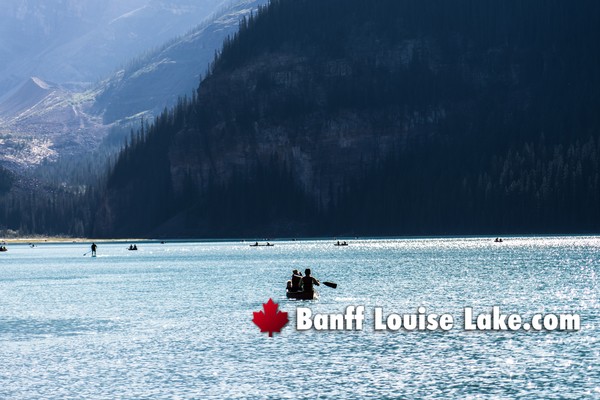
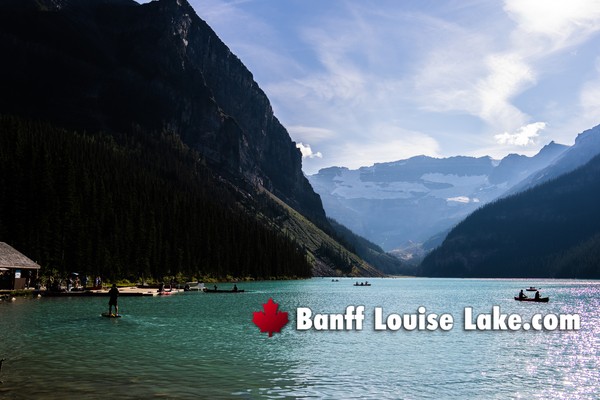
You can canoe on Lake Louise, and it is one of the most iconic experiences at the lake.
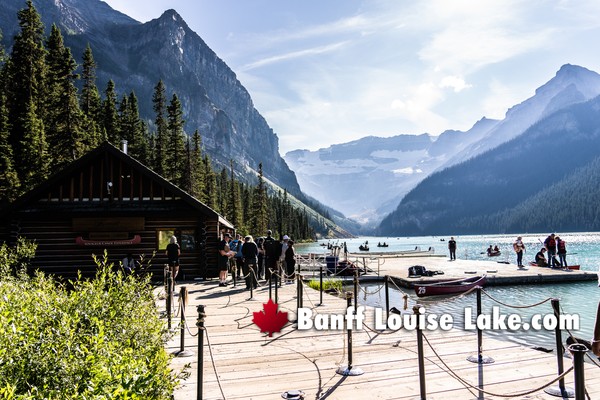
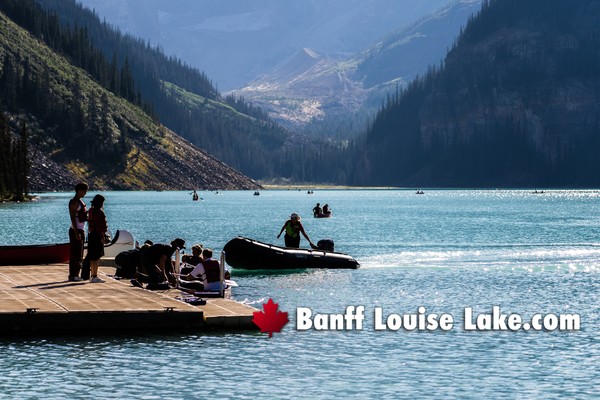
Canoeing is available during the summer months, typically from late June through early October, depending on ice conditions and weather. Canoes are rented directly at the lakeshore, and private canoes are not permitted-only on-site rentals may be used. Rentals are first-come, first-served, and demand is high on busy summer days.
Paddling on Lake Louise allows you to experience the turquoise water up close, with unobstructed views of surrounding peaks and the glacier at the far end of the lake. Early morning and late afternoon usually offer calmer water and a quieter experience, while midday conditions can be windier and more crowded.
Canoeing is not available in fall once operations close, and it is not possible in winter when the lake is frozen.

How much does canoe rental cost?

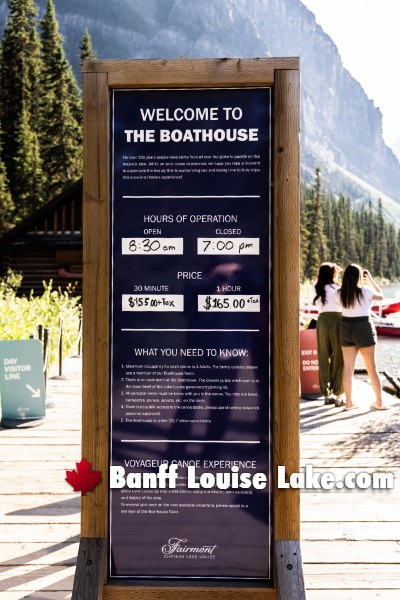
At The Fairmont Chateau Lake Louise Boathouse, which operates the official canoe rental on Lake Louise, rental fees vary depending on your status and how long you stay on the water.
Typical canoe rental costs (2025/2026 season):
Non-hotel guests: About $170 CAD per hour or $160 CAD for a half-hour (plus GST).
Hotel guests: About $110 CAD per hour or $100 CAD for a half-hour (plus GST).
Prices are charged per canoe, not per person, and a single canoe can hold up to three adults (or two adults and two small children).
Canoe rentals are usually available mid-June through early October when the lake is ice-free. They are first-come, first-served and cannot be reserved in advance, and hours may vary with weather and visitor demand.

Hiking trails near Lake Louise?

There are many hiking trails near Lake Louise, ranging from easy lakeshore walks to challenging alpine routes. The area is a gateway to some of the most scenic hikes in the Canadian Rockies and suits a wide range of abilities and interests.

Lake Louise Easy & Moderate Hiking Trails

Lakeshore Path: A flat, well-maintained walk along the edge of Lake Louise that offers continuous views of the turquoise water and surrounding peaks. Great for all ages and fitness levels.
Fairview Lookout: A short climb from near the lakeshore that provides a panoramic view down the valley toward Banff and the Bow Valley.

Classic Moderate to Strenuous Lake Louise Hikes

Lake Agnes Tea House: A very popular trail that climbs through forest to Lake Agnes, with the option to enjoy refreshments at the historic tea house.
Plain of Six Glaciers: A longer, steady climb that leads to a classic viewpoint and another historic teahouse with mountain and glacier panoramas.
Big Beehive: A steep but rewarding hike with excellent views over Lake Louise and the surrounding peaks.
Devil's Thumb: A challenging route often combined with the Lake Agnes trail for advanced hikers seeking dramatic ridge views.

Longer & More Advanced Hiking Routes

Wenkchemna Pass: A more remote, longer route popular with experienced hikers and backpackers.
Perren-Route & Alpine Traverse: For skilled, route-finding hikers wanting a technical and exposed alpine experience.

Lake Louise Seasonal Hiking Notes

Trails are generally snow-free from late June through September, but snow lingers longer on higher-elevation sections. In spring and early summer, some trails can be snowy or muddy, and in winter, many routes are used by snowshoers or require special equipment.

Hiking Safety Considerations

Bear spray is recommended on most backcountry trails.
Weather can change quickly in the mountains; bring layers and check conditions.
Water and snacks are important, as shade and services are limited.

What are the best hikes from Lake Louise?

Lake Louise is the starting point for several of the most famous hikes in the Canadian Rockies. The best hike depends on your fitness level, time available, and how much elevation you want to tackle.

Best Overall / Classic Hikes

Lake Agnes Tea House
This is the most popular hike from Lake Louise. It climbs steadily through forest to a beautiful alpine lake and historic tea house. The views improve continuously, and it's achievable for most reasonably fit visitors.
Plain of Six Glaciers
A longer but more gradual hike that follows the shoreline before ascending into a broad glacial valley. It offers expansive mountain and glacier views and feels more spacious and less steep than Lake Agnes.

Best Lake Louise Viewpoint Hikes

Big Beehive
Often considered the best viewpoint above Lake Louise. The trail branches off the Lake Agnes route and climbs steeply to a lookout directly overlooking the lake. The reward-to-effort ratio is excellent.
Fairview Lookout
A short, steep hike that provides a quick panoramic view down the Bow Valley. It's ideal if you want a viewpoint but have limited time or energy.

Best Challenging Hikes

Devil's Thumb
A demanding extension beyond Lake Agnes that climbs into rugged terrain with dramatic, high-alpine views. This hike is best for experienced hikers comfortable with steep sections and exposure.
Wenkchemna Pass
A long, scenic hike that travels into a quieter alpine valley with wide-open views. It's less crowded and better suited to strong hikers looking for a full-day outing.

Quick Lake Louise Hiking Summary

Best beginner/moderate hike: Lake Agnes
Best overall scenery: Plain of Six Glaciers
Best viewpoint: Big Beehive
Best short hike: Fairview Lookout
Best for experienced hikers: Devil's Thumb or Wenkchemna Pass

Is Lake Louise good for families?

Lake Louise is an excellent destination for families, offering experiences that suit a wide range of ages and activity levels.

Why Lake Louise is Great for Families

Accessible Scenery
The lakeshore itself is flat and easy to walk, so even young children or those who prefer gentle exploration can enjoy the stunning turquoise water and mountain backdrop without hiking.
Short, Rewarding Hiking Trails
There are family-friendly walks near the lake, including the lakeshore path and the Fairview Lookout short climb. Older kids and active families can enjoy moderate hikes like Lake Agnes Tea House or parts of the Plain of Six Glaciers trail.

Lake Louise Activity Options

In summer, canoeing on the lake is a memorable family activity (though only with the official rental canoes). In winter, the frozen lake becomes a natural skating surface when conditions allow.

Practical Considerations

Parking & Access
Arriving early or using the Parks Canada shuttle helps avoid parking stress, which is especially helpful with kids.
Facilities Nearby
Bathrooms, picnic spots, and food services are readily accessible near the lakeshore and the nearby village.
Safety
Wildlife and changing mountain weather mean basic precautions are important (e.g., bear spray on longer trails, layers for temperature changes).

Best Activity Options for Different Age Groups

Young children / low-mobility family members: Lakeshore walk, picnic by the water, relaxing views
Elementary-aged kids: Canoeing, Fairview Lookout, short trail sections
Teens / active families: Lake Agnes Tea House, Plain of Six Glaciers, Big Beehive

Can you ice skate on Lake Louise in winter?

You can ice skate on Lake Louise in winter, and it is one of the most iconic winter experiences in the Canadian Rockies.
When the lake freezes solid-typically from December through March, depending on temperatures-the ice surface is often cleared and maintained for skating. The skating area is usually prepared near the center of the lake, offering dramatic views of surrounding peaks and the glacier at the far end. Skate rentals are commonly available nearby during the winter season, making it accessible even if you don't bring your own equipment.
Conditions do vary with weather, so skating is only offered when the ice is confirmed to be thick and safe. In mid-winter, the lake is reliably frozen, and skating is both safe and popular. In early winter or late spring, ice conditions can change quickly, and skating may be limited or unavailable. Book Banff Lake Louise
Booking the Canadian Rockies includes All taxes, fees and handling charges.


Lake Louise Hikes

Many hikes from Lake Louise are suitable for beginners - but not all of them. Lake Louise offers a wide range of hiking trails.

Lake Louise Hikes
Lake Louise Hikes

Lake Louise Hikes

Are the Lake Louise hikes suitable for beginners?

Many hikes from Lake Louise are suitable for beginners - but not all of them. The area offers a range of trails, so choosing the right one is important.

Beginner-Friendly Lake Louise Hiking Options

Lakeshore Trail
This is the easiest option. It's flat, well-maintained, and follows the shoreline with continuous views. Suitable for all ages and fitness levels.
Fairview Lookout
A short uphill hike (about 1 km round trip). It's steeper than the lakeshore walk but brief and manageable for most beginners who are comfortable with a short climb.

Moderate but Achievable for Fit Beginners

Lake Agnes Tea House
This is often considered the "next step up." It involves steady elevation gain and takes 2-3 hours round trip. Beginners in reasonable physical condition can complete it, but it will feel like a workout.

Not Ideal for Beginners

Big Beehive
Devil's Thumb
Wenkchemna Pass
Full Plain of Six Glaciers (for very new hikers)
These routes are longer, steeper, or more demanding and are better suited for experienced hikers or those comfortable with sustained elevation gain.

Seasonal Hiking Considerations

In early season (May-June) or late fall, snow and mud can increase difficulty. In winter, proper traction devices and preparation are required even on easier trails.
1. There are excellent beginner options.
2. Start with the Lakeshore Trail or Fairview Lookout.
3. Attempt Lake Agnes if you want a moderate challenge.
4. Leave the longer alpine routes for when you have more experience.

Are Lake Louise hiking trails open year-round?

In the Lake Louise area, hiking trails are physically accessible year-round, but their conditions and safety change dramatically with the seasons, so "open" doesn't always mean recommended or safe.

Spring and Summer (Late May through September)
This is the primary hiking season. Trails are mostly free of snow by late June, well-marked, and easy to follow. Most popular routes - like the Lakeshore Walk, Lake Agnes, Plain of Six Glaciers, and viewpoints - are routinely used and maintained.

Fall (October through Early November)
Trails remain accessible, but conditions grow more unpredictable. Early fall is still good for hiking, with diminishing crowds and increasingly variable weather. Later in the season, snow and ice can return suddenly, making higher-elevation routes more difficult or unsafe without traction devices.

Winter (Mid-November through April)
Most trails are still physically there, but they are generally not maintained as summer hiking routes once snow covers them. Snowshoes, winter boots, and proper cold-weather gear are required. Trails that are easy in summer can become more strenuous in winter due to snow depth, hidden obstacles, and colder temperatures.

The Lakeshore path is often packed down by visitor traffic and can be walked in winter.
Higher-elevation routes like Lake Agnes, Big Beehive, Devil's Thumb, or Plain of Six Glaciers are typically deep in snow and better suited to snowshoeing, ski touring, or guided winter travel.
Bear spray is not needed in deep winter, but awareness of avalanche conditions and winter hazards is critical.

Key Points on Hiking Lake Louise Year Round

1. Hiking trails exist year-round, but what you can safely do changes with the seasons.
2. In summer/shoulder seasons, they are clear and suitable for ordinary hiking.
3. In winter, they become winter travel routes that require gear and experience.
4. Always check current conditions before setting out, as mountain weather changes quickly.

Common Lake Louise Hiking-Specific Questions

How long is the Lake Agnes hike?

The Lake Agnes hike from Lake Louise is approximately 3.4 kilometres (2.1 miles) round trip. It gains about 385 metres (1,260 feet) of elevation, making it a steady uphill walk rather than a technical climb.
Most hikers complete the hike in 2 to 3 hours round trip, depending on pace, crowd levels, and how long they spend at the lake or the tea house. The trail is well maintained, clearly marked, and climbs through forest with several scenic viewpoints along the way.
While the distance is relatively short, the elevation gain means it feels moderately challenging, especially for beginners. With proper footwear and a comfortable pace, it is achievable for most visitors and is one of the most rewarding short hikes in the Lake Louise area.

Is the Plain of Six Glaciers hike difficult?

The Plain of Six Glaciers hike from Lake Louise is considered moderate to moderately strenuous, depending on your fitness level.
Distance & Elevation
Distance: Approximately 13-14 km (8-8.5 miles) round trip
Elevation gain: About 365-400 metres (1,200-1,300 feet)
Time: Typically 4-5 hours round trip

Difficulty Breakdown
The first portion follows the lakeshore and is relatively gentle. As the trail continues beyond the far end of the lake, it gradually climbs into a broad glacial valley. The elevation gain is steady but not extremely steep, making it less intense than hikes like Big Beehive or Devil's Thumb.
The length is what makes it feel challenging rather than the incline. For hikers with average fitness who are comfortable walking for several hours, it is very achievable. For beginners or families with young children, it may feel long.
Trail Conditions
Well-defined and maintained in summer
Snow can linger into early summer at higher sections
Bear spray is recommended due to wildlife activity

Plain of Six Glaciers hike Summary

1. Not technical
2. Longer than Lake Agnes
3. Moderate overall difficulty
4. Very rewarding views of glaciers and alpine terrain
5. If you're comfortable with a half-day hike and want expansive scenery with fewer steep sections, Plain of Six Glaciers is an excellent choice.

Do I need bear spray for hiking near Lake Louise?

Yes, you should carry bear spray when hiking near Lake Louise during the snow-free season.
Lake Louise is prime habitat for both grizzly bears and black bears, and wildlife sightings are common on trails such as Lake Agnes, Plain of Six Glaciers, Big Beehive, and surrounding alpine routes. Parks Canada strongly recommends that hikers travel in groups and carry readily accessible bear spray (not buried in a backpack).
When You Need Bear Spray
1. Late spring through fall (typically May-October)
2. On any forested or backcountry trail
3. Even on popular routes - wildlife can appear anywhere

When Bear Spray is Generally Not Needed
1. In deep winter, when bears are denning
2. On heavily packed lakeshore areas in mid-winter

Best Practices Regarding Bear Spray in Lake Louise
1. Keep spray in a holster on your belt or chest strap
2. Know how to use/deploy bear spray before you hike
3. Make noise in forested sections
4. Hike in groups whenever possible
Book Banff Lake Louise
Booking the Canadian Rockies includes All taxes, fees and handling charges.


Lake Louise Views & Photography

Lake Louise offers excellent photo opportunities right from the lakeshore, with additional dramatic viewpoints reachable on short hikes.

Lake Louise Views & Photography

Lake Louise Views & Photography

Where are the best photo spots at Lake Louise?

Lake Louise offers excellent photo opportunities right from the lakeshore, with additional dramatic viewpoints reachable on short hikes. The best spots depend on whether you want classic postcard shots or elevated perspectives.

Lake Louise Lakeshore Photography (Best Overall & Most Accessible)

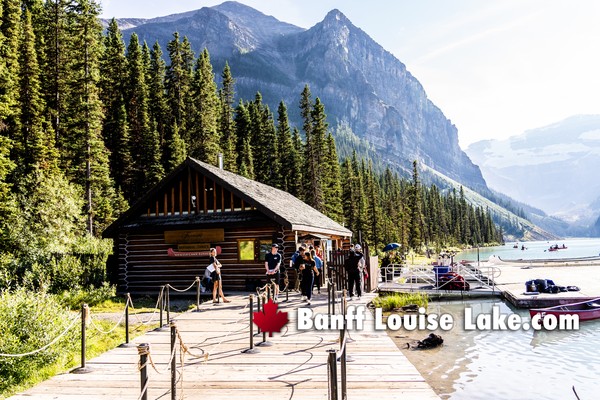
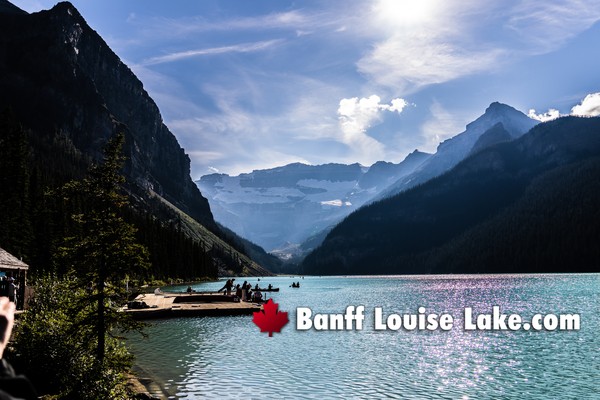
The front lakeshore near the canoe dock is the most famous photo location. From here, you get the full composition: turquoise water, surrounding peaks, and the glacier at the far end of the lake. This area is ideal for wide-angle shots and reflections, especially early in the morning when the water is calm.

Fairmont Chateau Viewpoint

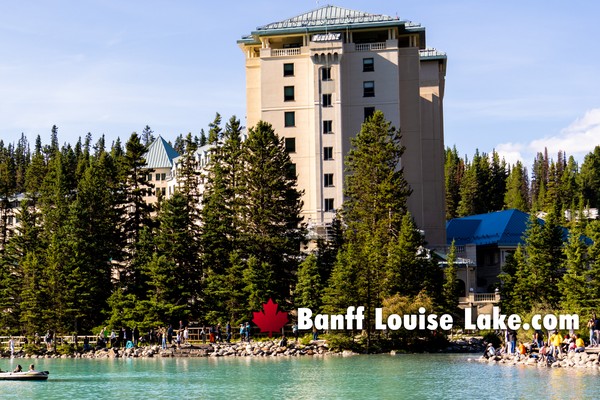
Photographing the lake with the Fairmont Chateau Lake Louise in the frame adds scale and a historic alpine feel. This angle works particularly well in soft morning light or in winter when the snow-covered hotel contrasts with the frozen lake.

Lake Louise Far-End Lakeshore Trail

Walking toward the far end of the lake gives a quieter perspective looking back toward the hotel and mountains. This spot is excellent for less crowded compositions and detail shots of the water color and shoreline.

Elevated Photography Viewpoints (Best for Dramatic Angles)

Big Beehive: The most iconic high viewpoint, offering a top-down perspective of the lake's turquoise color. Best for clear days and confident hikers.
Fairview Lookout: A short hike with a panoramic view down the Bow Valley rather than directly over the lake, but still a strong photographic option.
Plain of Six Glaciers Trail: Several pullouts along the trail provide excellent side angles of the lake framed by mountain walls.

Lake Louise Seasonal Highlights

Sunrise: Best reflections and lowest crowds
Summer: Peak turquoise color
Fall: Fewer people and softer tones
Winter: Minimal crowds and dramatic snow-and-ice contrasts
If you only have a short time, stay along the lakeshore and canoe dock. If you want a standout, magazine-style image and are willing to hike, Big Beehive delivers the most striking viewpoint.

Can you get good photos without hiking?

Yes, you can get excellent photos at Lake Louise without hiking. Some of the most iconic and recognizable images are taken directly from the lakeshore, requiring little to no walking beyond the main access area.

The central lakeshore near the canoe dock provides classic postcard compositions with turquoise water, surrounding peaks, and the glacier at the far end of the lake. Walking just a short distance along the flat lakeshore path opens up additional angles, reflections, and foreground options, all on well-maintained, level terrain.

The area near the Fairmont Chateau Lake Louise also offers strong photo opportunities, especially for wide shots that include the historic hotel against the mountain backdrop. These locations are accessible year-round and are particularly good in early morning when the water is calm and crowds are minimal.

In winter, the frozen lake surface itself becomes a photo platform, allowing dramatic compositions without any hiking. Overall, Lake Louise is one of the best places in the Rockies to capture high-quality images without needing to climb or hike to viewpoints.

Is sunrise photography worth it at Lake Louise?

Yes, sunrise photography is absolutely worth it at Lake Louise, and it is widely considered the best time to photograph the lake.

At sunrise, the lake is typically at its calmest, which creates clean reflections of the surrounding mountains and glacier. Winds usually pick up later in the morning, so this early stillness is ideal for mirror-like compositions. The soft, low-angle light adds depth and contrast without harsh shadows, making it especially effective for both wide-angle landscapes and detailed compositions.

Sunrise also offers a much quieter experience. Crowds are minimal, allowing you to move freely along the lakeshore and set up shots without people in the frame. This is particularly valuable during summer, when the area becomes extremely busy later in the day.

In winter, sunrise is equally rewarding. The snow-covered lake and peaks glow with subtle pastel tones, and the low sun angle lasts longer, giving photographers extended soft-light conditions. Whether you're shooting in summer or winter, sunrise consistently delivers the best combination of light, reflections, and atmosphere at Lake Louise.

Are drones allowed at Lake Louise?

No - drones are not permitted at Lake Louise because it sits inside Banff National Park, where recreational drone flights are prohibited under Parks Canada regulations. Recreational drone use is banned throughout all national parks in Canada to prevent disturbance to wildlife, interference with other visitors' experiences, and safety issues with park aircraft operations.

If you want to use a drone for professional or research purposes, you would need a special permit issued by Parks Canada, which is granted only in limited circumstances such as resource management or specific commercial filming with approval. Flying a drone without the required authorization can lead to law enforcement action and significant fines.

For aerial-style footage of Lake Louise, the common approach is to either capture ground-based panoramas and time-lapses from the lakeshore and viewpoints, or fly your drone outside national park boundaries where local rules and Transport Canada regulations allow it. Book Banff Lake Louise
Booking the Canadian Rockies includes All taxes, fees and handling charges.


Lake Louise Facilities & Amenities

Lake Louise has washrooms, food, accommodations and more amenities.

Lake Louise Facilities & Amenities

Lake Louise Facilities & Amenities

Are there washrooms at Lake Louise?

Yes, there are washrooms available at Lake Louise, and they are conveniently located for visitors spending time at the lakeshore. A public washroom facility is situated near the main lakeshore area, within easy walking distance of the viewing areas, trailheads, and canoe dock. This makes it practical for short visits as well as longer stays.

Additional washrooms can be found in the nearby Lake Louise village, including around visitor services and commercial areas. These are useful if the lakeshore facilities are busy, especially during peak summer months.

During the main visitor seasons, washrooms are maintained and accessible, though they can become crowded at midday. In winter, facilities remain available but may have reduced capacity or access depending on conditions, so it's best to plan ahead if visiting during colder months.

Is there food available at Lake Louise?

Yes - there are several food options available when you visit Lake Louise, both right at the lakeshore and in the nearby village.

At the lake itself, you'll find casual dining and snacks at establishments near the Fairmont Chateau Lake Louise, including cafes and grab-and-go options that serve sandwiches, soups, pastries, and beverages. These are convenient if you're spending time along the shoreline or arriving early without plans to bring your own food.

In the village of Lake Louise, a short drive or shuttle ride from the lake, there are additional cafes, restaurants, and coffee shops offering a wider range of meals - from breakfast and lunch to more substantial dinners. Grocery and deli-style stops are also available there if you prefer to pack your own picnic for hikes or lakeside relaxation.

If you're planning to hike or spend extended time outdoors, bringing your own snacks and water is still a good idea, since many trails have limited or no food services along the route. Overall, you won't go hungry at Lake Louise, but having a rough plan for meals or snacks will make your visit more comfortable.

Can you stay overnight at Lake Louise?

Yes, you can stay overnight at Lake Louise, and staying in the area offers a very different experience compared to visiting for the day.

The most well-known option is the Fairmont Chateau Lake Louise, which is located directly on the lakeshore. Staying here allows you to experience Lake Louise early in the morning and late in the evening, when day visitors are gone and the area is much quieter. This is especially valuable for photography, winter visits, and relaxed lakeside walks.

Additional accommodations are available in the Lake Louise village, a short drive from the lake. These include hotels and lodges at a range of price points, offering easier access to parking, dining, and services while still being close to the lake and nearby attractions.

Overnight stays are popular year-round, particularly in summer and winter, so booking well in advance is recommended. Staying overnight gives you flexibility, quieter access, and a more immersive Lake Louise experience compared to a short daytime visit.

What amenities are available at the lakeshore?

At the Lake Louise lakeshore, you'll find a cluster of basic amenities designed to support visitors who are spending time enjoying the views and accessing nearby trails. There are public washrooms conveniently located near the main viewing area, so you don't have to walk far from the parking or shuttle drop-off to find facilities. Benches and picnic spaces are scattered along the flat path around the shore, giving people places to rest, snack, or simply soak up the scenery.

Near the lakeshore access point you'll also find a café and snack kiosk where you can purchase quick meals, drinks, and light refreshments without having to leave the area. This is especially useful if you plan to arrive early or stay late and want something more than what you brought yourself.

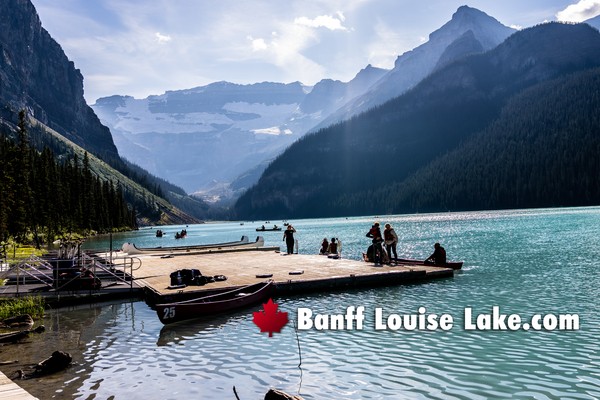
If you're visiting in summer, canoe rentals operate right at the lakeshore, with a dock and staffed boathouse where you can rent a canoe for a short paddle. Water bottle refilling stations and information signs about trails and safety are also present, helping you prepare for hikes or better understand the landscape.

There is no large grocery or full-service restaurant immediately at the lake itself; for those you'll need to go a few minutes into the nearby village. But for essentials - restroom access, snacks, seating, canoeing, and trail information - the lakeshore area has practical amenities to support a comfortable visit.

Lake Louise Accessibility & Rules

Is Lake Louise wheelchair accessible?

Lake Louise has wheelchair-accessible areas, but the level of accessibility varies depending on where you go.

The main lakeshore area and the paved path immediately around the front of the lake are wheelchair-friendly, with relatively smooth surfaces and gentle grades. These sections let people in wheelchairs reach iconic views of the turquoise water and surrounding mountains with minimal difficulty.

Some amenities near the lakeshore - such as washrooms, seating areas, and visitor information - are also designed to be accessible. The route from the parking area or shuttle drop-off to the lakeshore viewing platform tends to be navigable for visitors using wheelchairs or mobility devices.

That said, many of the hiking trails branching off from Lake Louise are not fully wheelchair accessible. Trails like Lake Agnes, Plain of Six Glaciers, and Big Beehive have uneven terrain, roots, rocks, and elevation changes that make them unsuitable for wheelchairs without significant assistance or specialized equipment.

Accessible: Main lakeshore path, viewing areas, some facilities.
Not accessible: Most backcountry hiking trails.

Are dogs allowed at Lake Louise?

No - dogs are not allowed on the Lake Louise lakeshore area, including the main beach, lakeshore paths, and most nearby trails. This restriction is in place to protect wildlife, fragile vegetation, and other visitors' experiences in a high-use natural setting.

Dogs are permitted in some nearby public areas and paved pathways in the Lake Louise village, provided they are kept on a leash and under control. However, once you leave the village and enter park trails or the lakeshore environment itself, dogs are generally prohibited.

If you're planning to bring a dog and want to enjoy the region, you can explore designated trails near the village that allow leashed dogs, or visit nearby parks and forests where dogs are permitted according to local rules. For lakeshore photography, picnicking, or swimming areas at Lake Louise itself, you'll need to make alternate care arrangements for your pet.

Are there restrictions on swimming?

Yes - there are practical and seasonal restrictions on swimming at Lake Louise, even though nothing officially bans people from entering the water.

The lake's water comes from glacial melt, so in most of the year the temperature is extremely cold, usually too chilly for comfortable swimming. Even in summer, the water near the shore tends to stay cold because of ongoing glacier inflow, which means swimming is brief and not recommended for everyone.

In addition, Lake Louise is one of the most heavily visited natural sites in Banff National Park, and Parks Canada manages visitor movement to protect the environment and ensure safety. That means there are no designated supervised swimming areas or lifeguards, and roaming into deeper parts of the lake can be hazardous due to cold shock and rapidly changing conditions.

Most visitors who want a swim choose smaller, nearby lakes with warmer water or visit recreational swimming spots around Banff National Park that offer safer, more comfortable conditions.

In summary: you can technically enter the water, but it's cold and not generally suitable for sustained swimming, and there are no formal beach or lifeguarded areas at Lake Louise itself.

Is Lake Louise suitable for seniors or mobility-limited visitors?

Yes - Lake Louise can be suitable for seniors and mobility-limited visitors, though the experience depends on what you plan to do once you're there.

The lakeshore viewing area itself is the most accessible part of the site. A paved, relatively flat path runs along the front of the lake and provides excellent vantage points of the turquoise water and surrounding mountains. From the parking area or shuttle drop-off, this lakeshore route can be navigated with a wheelchair or mobility aid, and many seniors find it very pleasant for a relaxed walk with minimal elevation change.

Some basic amenities near the lakeshore - such as washrooms and resting spots - are also accessible, helping make short visits more comfortable. If you stay into the evening or arrive very early, the experience is calmer and easier to manage.

However, most of the hiking trails that radiate out from Lake Louise - including Lake Agnes, Plain of Six Glaciers, Big Beehive - involve uneven terrain, rocks, roots, and elevation gain. Those are not considered accessible for mobility-limited visitors unless significant assistance or specialized equipment is used. Similarly, shoreline areas with steeper bank access points may be uneven.

Highly suitable: Lakeshore path and immediate viewpoint areas.
Moderately suitable: Gentle walks near the front lawn or near accessible viewpoints.
Not suitable: Most backcountry trails and rough terrain routes.

Common Lake Louise Misconceptions

Is Lake Louise man-made or natural?

Lake Louise is a natural lake, not man-made. It was formed by natural geological processes tied to glaciers and mountain activity in the Canadian Rockies.

The lake occupies a glacial basin carved thousands of years ago during the last ice age. As glaciers advanced and retreated, they gouged out the valley and left behind natural dams of rock and sediment. Meltwater from surrounding glaciers continues to feed the lake today, carrying fine rock particles that give Lake Louise its distinctive turquoise color in warmer months.

While human infrastructure now exists around the shoreline-such as roads, paths, and buildings-the lake itself has not been artificially created, dammed, or engineered. Its shape, depth, and water source are entirely the result of natural glacial and alpine processes. Book Banff Lake Louise
Booking the Canadian Rockies includes All taxes, fees and handling charges.


Is Lake Louise Always Blue?

Lake Louise, famous for it's turquoise color, is seasonal and depends on ice conditions and glacial melt.

Is Lake Louise Always Blue

Is Lake Louise Always Blue

No, Lake Louise is not always blue. Lake Louise, famous for it's turquoise color, is seasonal and depends on ice conditions and glacial melt.

In winter, the lake freezes completely and is covered by snow, so the blue color is not visible at all. In early spring, as the ice begins to break up, the water often appears dark, grey, or muted rather than turquoise. This is because there is little glacial meltwater flowing into the lake at that time.

The iconic blue color emerges in late May to early June, once the ice has melted and glacial runoff begins carrying fine rock particles (glacial silt) into the water. The color becomes strongest in late June through August, when meltwater flow is at its peak. As temperatures cool in fall, glacial melt slows, the color gradually fades, and the lake eventually freezes again.

While Lake Louise is famous for its blue water, it only looks that way during a limited summer window, not year-round.

Is Lake Louise the same as Moraine Lake?

No, Lake Louise and Moraine Lake are not the same, although they are often confused because they are close together and both are iconic alpine lakes in the Canadian Rockies.

Lake Louise is a large, glacier-fed lake located near the village of Lake Louise. It is easily accessible by road and shuttle, has facilities at the lakeshore, and is famous for its broad turquoise water, mountain backdrop, and classic lakeside views.

Moraine Lake is a smaller but more dramatic lake located in a steep alpine valley about 14 kilometres away. It is known for its intense blue color and sharp peaks but has more restricted access and fewer on-site amenities.

In short, they are two separate lakes with different settings, access rules, and visual character. Many visitors choose to see both, but each offers a distinct experience rather than being interchangeable.

Can you visit Lake Louise without hiking?

Yes, you can absolutely visit Lake Louise without hiking, and many visitors do.

The main lakeshore area is fully accessible from the parking or shuttle drop-off and offers immediate, iconic views of the lake, surrounding peaks, and glacier. A flat, well-maintained lakeshore path allows you to walk casually along the water without any elevation gain, making it suitable for all ages and fitness levels.

You can enjoy photography, relax by the water, explore the area around the lakeside hotel, or simply take in the scenery from benches and open viewing areas. In winter, the frozen lake itself becomes a walkable surface, offering dramatic views without any hiking at all.

Hiking is optional at Lake Louise. While the surrounding trails add depth for those who want it, the core experience-the scenery that makes Lake Louise famous-is available without setting foot on a hiking trail. Book Banff Lake Louise
Booking the Canadian Rockies includes All taxes, fees and handling charges.


Banff Lake Louise Reviews

Banff Lake Louise Map

55km west of the Town of Banff. Visitor area is near Samson Mall (201 Village St.). Main lakeshore is at the end of Lake Louise Drive.

Contact Banff Lake Louise

Click to Contact Us